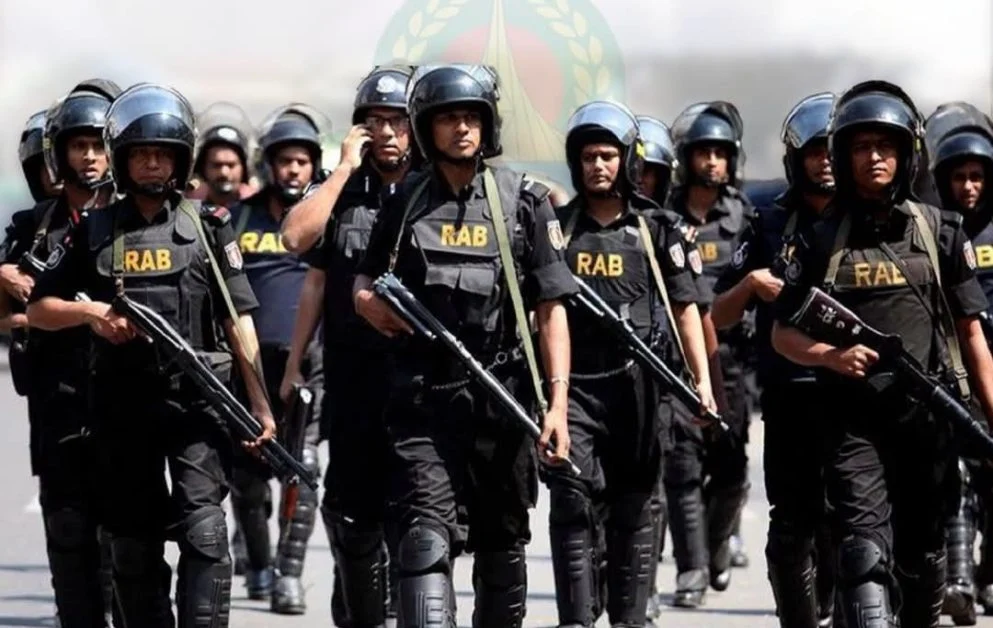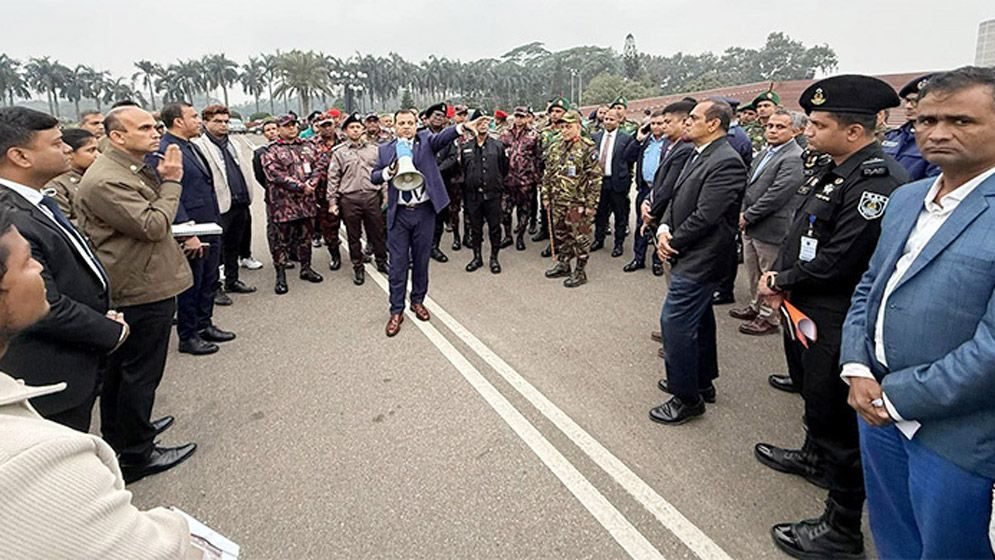
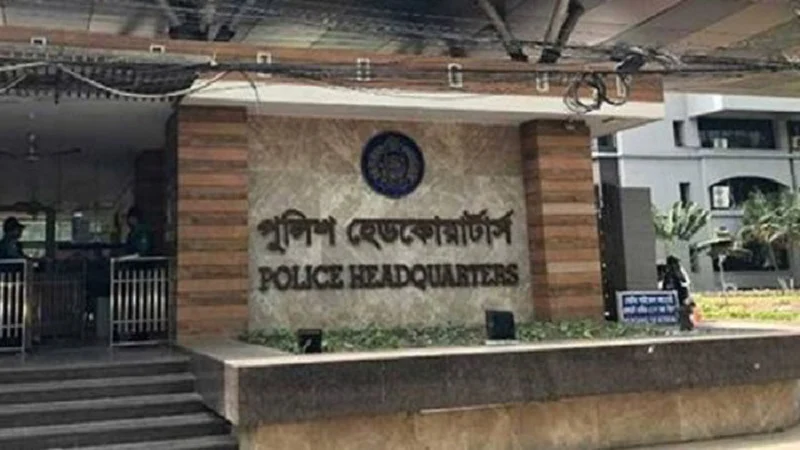
Long-standing policies within the Bangladesh Police force are still in effect; however, many argue that these rules now require reconsideration in light of present-day realities. One of the key policies in question is the restriction that prevents police members from serving in their own home districts. As this rule is enforced from the police station level up to the district level, thousands of officers are compelled to live apart from their families for years.Constables, ATSIs, ASIs, SIs, and other lower and mid-ranking officers are often transferred to distant districts. As a result, they are unable to stay close to their spouses, children, and elderly parents. In many cases, aging parents are left without proper care, while their children serve far away due to official posting requirements.Experts believe this policy has contributed to significant mental stress, family instability, and financial hardship among police personnel. For many lower-income officers, maintaining a family life in a different district is extremely difficult, which in turn may also affect their professional performance.In the current context, questions are being raised as to why such restrictions should continue when modern governance systems increasingly emphasize human welfare and family stability.Police personnel have demanded that at least lower and mid-ranking officers be allowed to serve in their own districts or respective ranges. This, they argue, would enable them to remain close to their families and perform their duties with greater focus and mental well-being.Relevant stakeholders are urging the current Home Minister and senior police administration to urgently reconsider and reform this outdated policy, ensuring a more humane and timely approach.