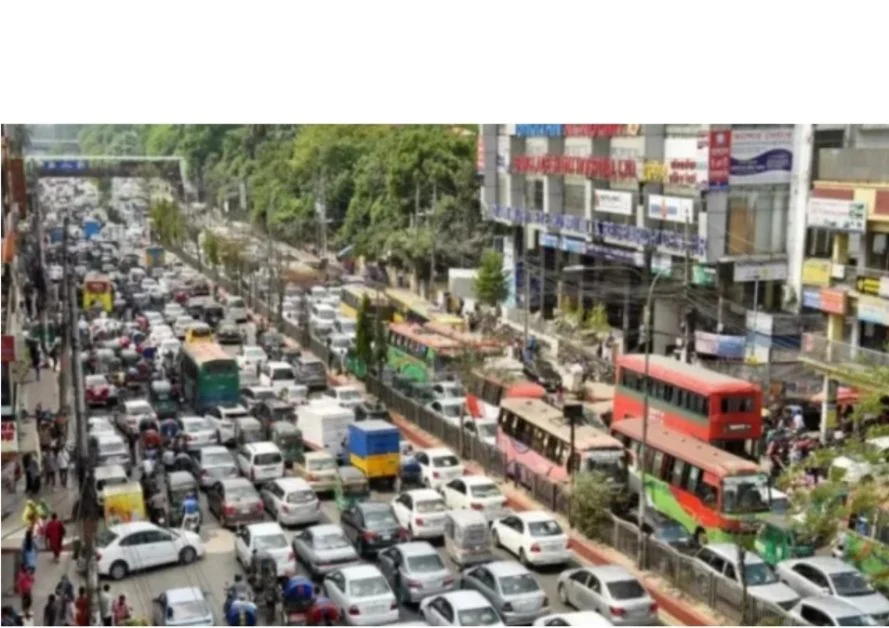
The launch of an AI-based automated traffic case system by the Dhaka Metropolitan Police marks a significant step toward modernizing traffic management in Dhaka. Using AI-powered surveillance cameras to detect violations such as signal jumping, wrong-way driving, illegal parking, and lane obstruction could help improve accountability on the city’s roads.However, technology alone cannot resolve the deep-rooted culture of traffic law violations in Bangladesh. From buses stopping in the middle of roads to pick up passengers to motorcycles driving on footpaths and vehicles ignoring traffic signals, traffic rules are routinely broken with little fear of punishment.The main challenge is not detecting violations, but ensuring proper enforcement. If offenders can ignore notices, use influence to avoid penalties, or settle cases unofficially, even the most advanced AI system will fail to make a real difference.Authorities must therefore focus on creating a culture of compliance alongside introducing technological upgrades. This includes visible enforcement, swift punishment, equal application of the law regardless of status, public awareness campaigns, and stricter action against repeat offenders.Without these broader reforms, the AI-based traffic case system risks becoming another expensive initiative that appears impressive on paper while the reality on Dhaka’s streets remains unchanged.